Inspiring Life-long Learning for Over 25 Years


From place value to compassion, second graders are discovering new ways to understand themselves and the world around them.
An important part of growing up is learning to look beyond what’s immediately obvious to us. In our second-grade classroom, that growing capacity is taking shape in some interesting ways, from understanding the relationships between numbers to considering how our choices affect the people around us.
In their math block, Mrs. Fiskum introduced a story about a squirrel gathering nuts in the forest. The squirrel could carry only nine nuts at a time, so what would happen when she collected ten? The solution involved grouping nuts together, providing a concrete introduction to place value—the concept that a digit’s position determines its value. From there, students have progressed to larger numbers, vertical addition and subtraction, and regrouping, learning to recognize relationships between ones, tens, and hundreds as they work through increasingly challenging calculations.
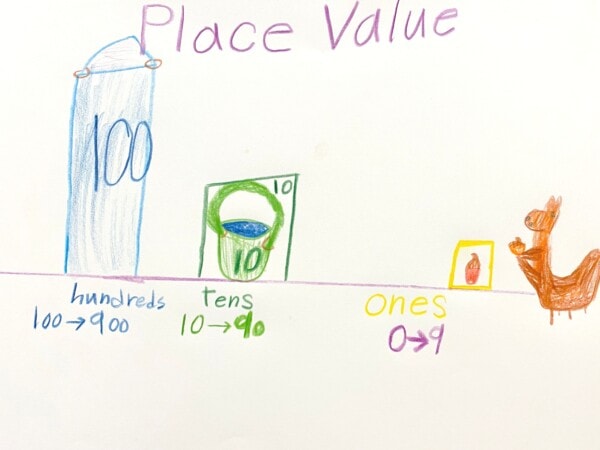
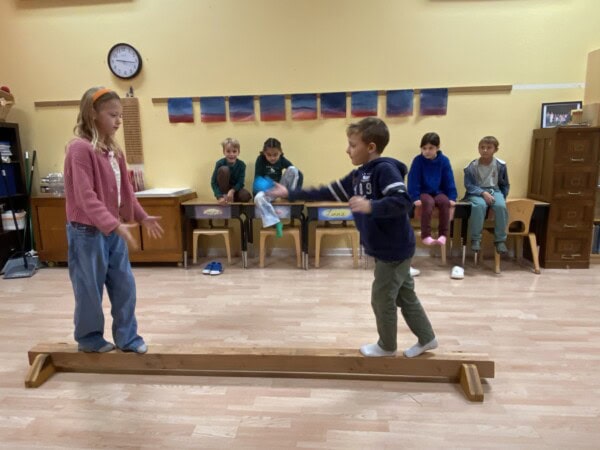
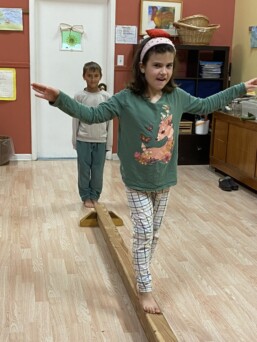
Movement is an important part of this learning, too. As students count while jumping rope, practice balance, and remember increasingly complex movement sequences, they’re developing their sense of rhythm, order, and spatial relationships. In Waldorf education, these physical experiences help lay the groundwork for more abstract mathematical thinking, allowing children to experience patterns and relationships through movement as well as numbers on a page.
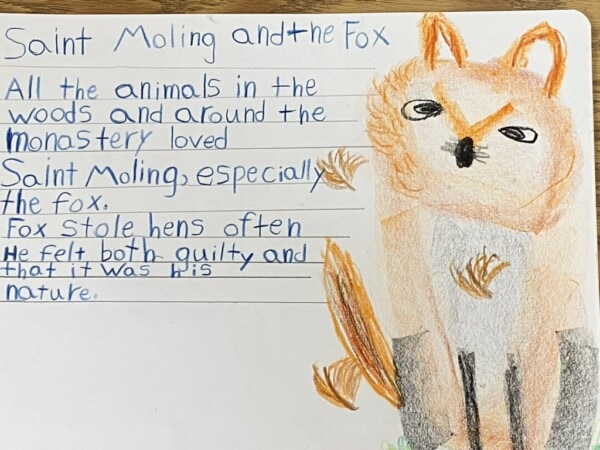
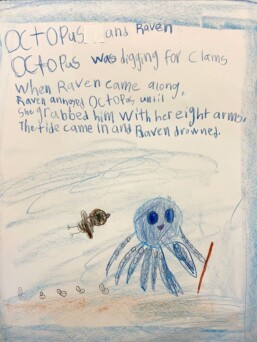
A different kind of understanding is developing through stories and discussions at the heart of the second-grade Waldorf curriculum. The children began the year exploring stories of saints and heroes, including Saint Werburgh and Saint George, whose examples of courage and compassion offer inspiration. More recently, they’ve encountered animal fables featuring clever, sometimes selfish tricksters. These contrasting characters invite children to explore the complexities of human behavior and consider how choices and actions can have consequences beyond what someone intends.
These animal tales have sparked some thoughtful conversations: Is it right to trick someone to get what we want? When should we compromise? Should we help someone even if it means giving something up ourselves? The children are learning to consider not only what someone wants in the moment, but how decisions might affect others. Mrs. Fiskum has noticed their awareness of others growing through these discussions.
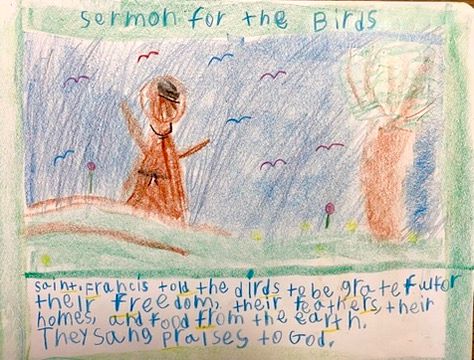
These lessons in compassion and consideration for others are also woven into the second graders’ experiences throughout the broader life of our school. Through our ongoing Michaelmas food drive, they have been helping collect food and necessities for neighbors in need. As they prepare their lanterns for our Martinmas Lantern Walk, they are taking part in another tradition that celebrates compassion, inner light, and service to others, inspired by the story of Saint Martin sharing his cloak with someone in need.
Across these experiences, second graders are discovering that understanding often means looking a little further: beyond a digit to its place within a number, beyond a character’s wishes to the consequences of their choices, and beyond their own needs to those of others. It’s a pleasure to watch these children discover more about themselves, develop a deeper understanding of the world around them, and grow increasingly aware of their place within it and their responsibilities to the people with whom they share it.