Finding Our Place in the World: Grades 3 & 4 Geography, Measurement & Community
How do children begin to understand their place in the world? In Waldorf education, geography begins close to home, with the familiar landscapes, landmarks, and communities that children can explore firsthand.
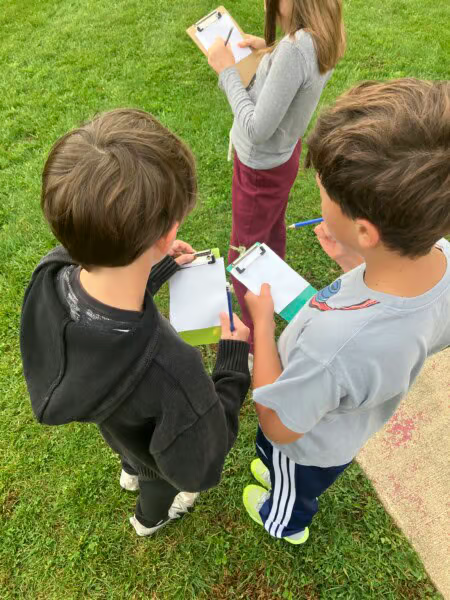
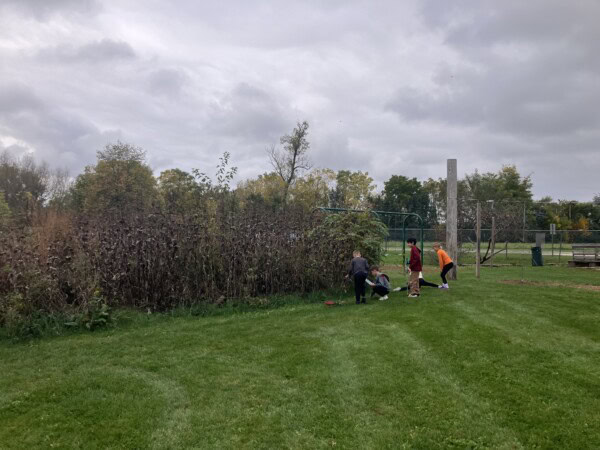
Over the past several weeks, our third and fourth graders have been doing just that. They’ve measured distances around the school prairie, basketball court, and garden, even tackling the challenge of measuring without conventional tools.
How many broom lengths does it take to cross a space? Can we find other ways to measure?
These exercises encourage children to think about distance, scale, and measurement through direct experience.
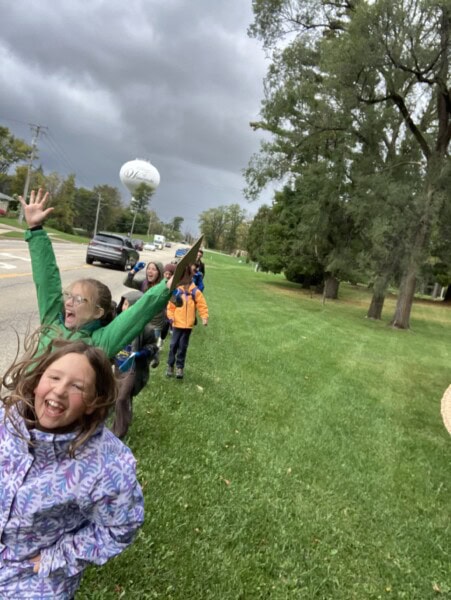
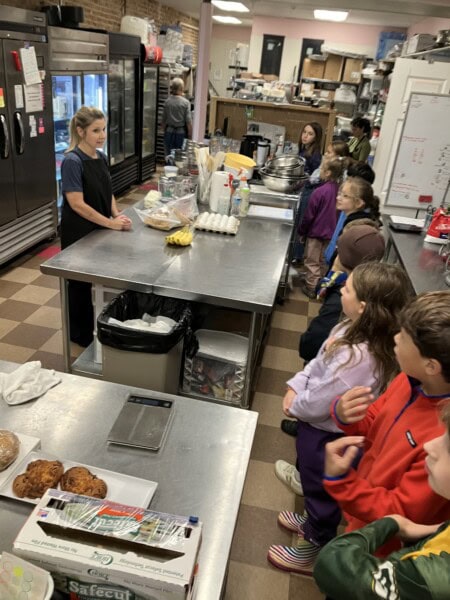
Their explorations soon extended beyond campus. During a navigational hike into downtown Wauconda, students visited Whisk and Lots-a-Knots, met local business owners, and discovered more about the people and places that make up their local community.
The hike had a purpose beyond introducing local geography: helping children recognize that their school belongs to a larger community, that people in that community care about them, and that they themselves have a meaningful place within it. Warm welcomes from local business owners and friendly honks from passing cars reinforced that sense of connection.
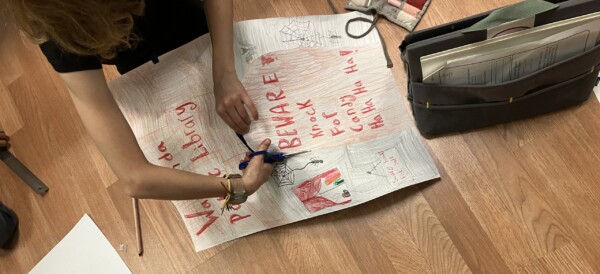
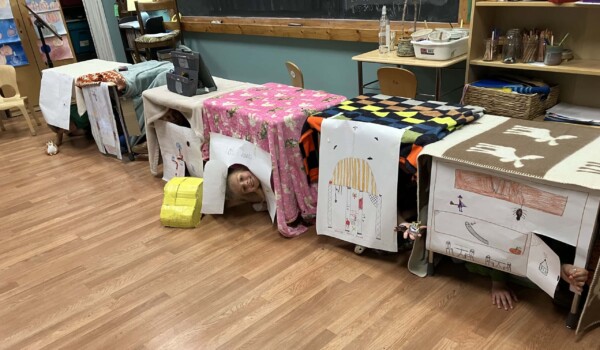
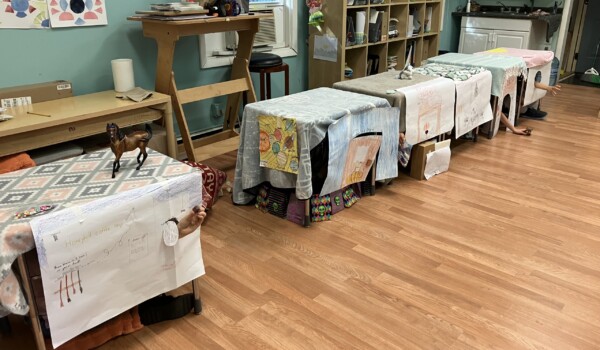
Back in the classroom, students created pictorial maps of downtown Wauconda, then brought their understanding of Main Street to life by transforming their desks into miniature storefronts, complete with handmade signs, decorations, and their own imaginative Trick-or-Treat on Main Street.
From measuring familiar spaces to navigating neighborhood streets and representing those places through maps and imaginative play, students are developing more than geographical knowledge. They’re learning to observe their surroundings, understand spatial relationships, and recognize their place within a larger community.